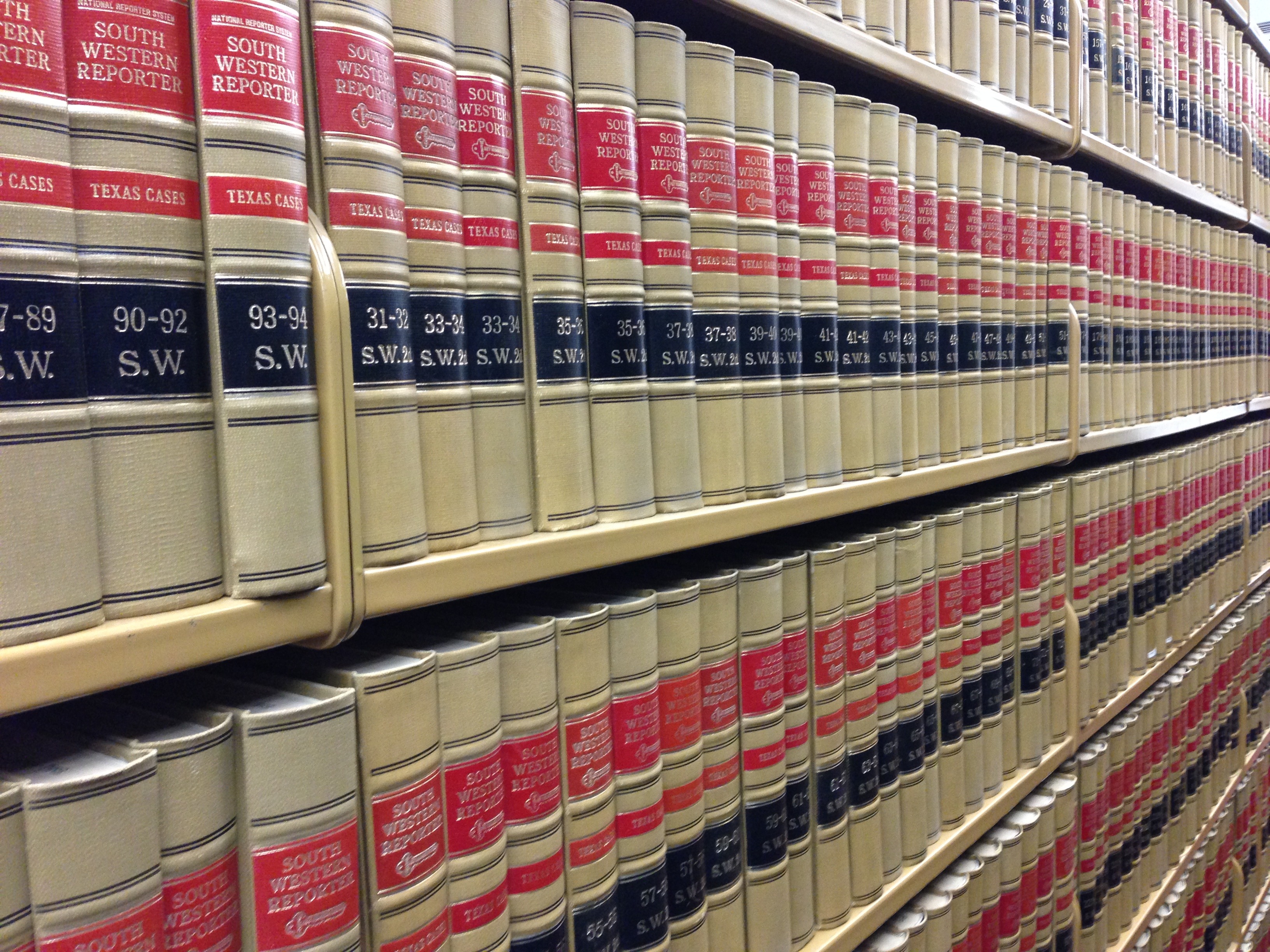
Oak Park Car Accident Claims and Legal Guidance
After a car accident, treatment, transportation and work obligations can compete with unfamiliar insurance requests. Zara Law Group can help injured people in Oak Park assess responsibility, understand available coverage and evaluate compensation for supported losses. The first conversation can begin with the information you have, without waiting for recovery to be complete.
The Questions Behind the Collision
Different crashes call for different evidence. A rear impact may require examination of following distance, braking or several contacts. An intersection collision may involve signals, sight lines and competing accounts of vehicle movement. Neither the point of impact nor a driver's initial explanation determines every liability issue.
A pedestrian injury requires attention to the movements and circumstances of everyone involved. A single-vehicle accident may raise questions about another road user, a vehicle condition or the roadway, depending on the evidence. A commercial truck's involvement may add business and insurance questions. These are avenues for investigation, not automatic conclusions about responsibility.
Reports, witness information, photographs and available recordings can help establish the sequence. An original image may show context missing from a cropped version. A witness's position and timing can explain which part of the event they observed. Counsel can compare sources and identify disputed facts that need further investigation.
Fault Is Assessed Against the Evidence
A citation or crash report can provide useful information without determining the civil outcome. Additional records or technical analysis may help where movement, visibility or impact sequence remains disputed. Recording retention can be limited, making appropriate preservation worth considering early.
Illinois comparative-fault law reduces damages by the injured person's share of responsibility in covered negligence claims and bars recovery when that share exceeds 50%. An insurer's allocation of fault is therefore a position to assess, not necessarily the final legal answer.
The Medical Record and Daily Consequences
An injury's significance is not determined by a scene label or the amount of vehicle damage. Healthcare professionals evaluate symptoms, recommend treatment and assess continuing needs. The medical course can become clearer through follow-up appointments, restrictions and changes during recovery.
Earlier conditions may matter when distinguishing new injury, aggravation and other causes. Legal review considers the connection to the collision while treatment remains guided by healthcare professionals. Both improvement and persistent limitations belong in the recovery history.
A supported claim may address medical expenses, lost earnings, pain, disability, disfigurement and other recoverable consequences. Wage records, work restrictions and information about assistance with ordinary activities help explain effects beyond the initial treatment bill. Future care and reduced earning capacity require appropriate evidence rather than predictions based on the crash alone.
Insurance Decisions Before Final Terms
Property damage and bodily injury may proceed on different timelines. Each insurer's role and claim number help identify the purpose of a request. A person's own policy may create obligations different from those involved in responding to another driver's carrier.
Statements, medical authorizations and settlement offers deserve consideration of their scope. Available coverage depends on the relevant policies and facts. A payment described as covering one expense may include release language affecting other rights or parties, so the actual document matters.
Unresolved treatment questions, reimbursement interests and applicable coordination of payments can influence the practical result. A proposed settlement should be assessed against supported losses and the rights being resolved rather than an assumed amount for a similar-looking collision.
A Practical Starting Point
Zara Law Group can review records, address insurer communications and discuss negotiation or litigation options. Photographs, report details, insurance letters and a treatment timeline can support an initial assessment, with missing material identified during that review.
The general Illinois personal-injury filing period is two years, subject to exceptions and different rules. Treatment or negotiations should not be assumed to extend it. Our Oak Park personal injury services offer related guidance. A free legal consultation can clarify time-sensitive evidence and the decisions ahead.