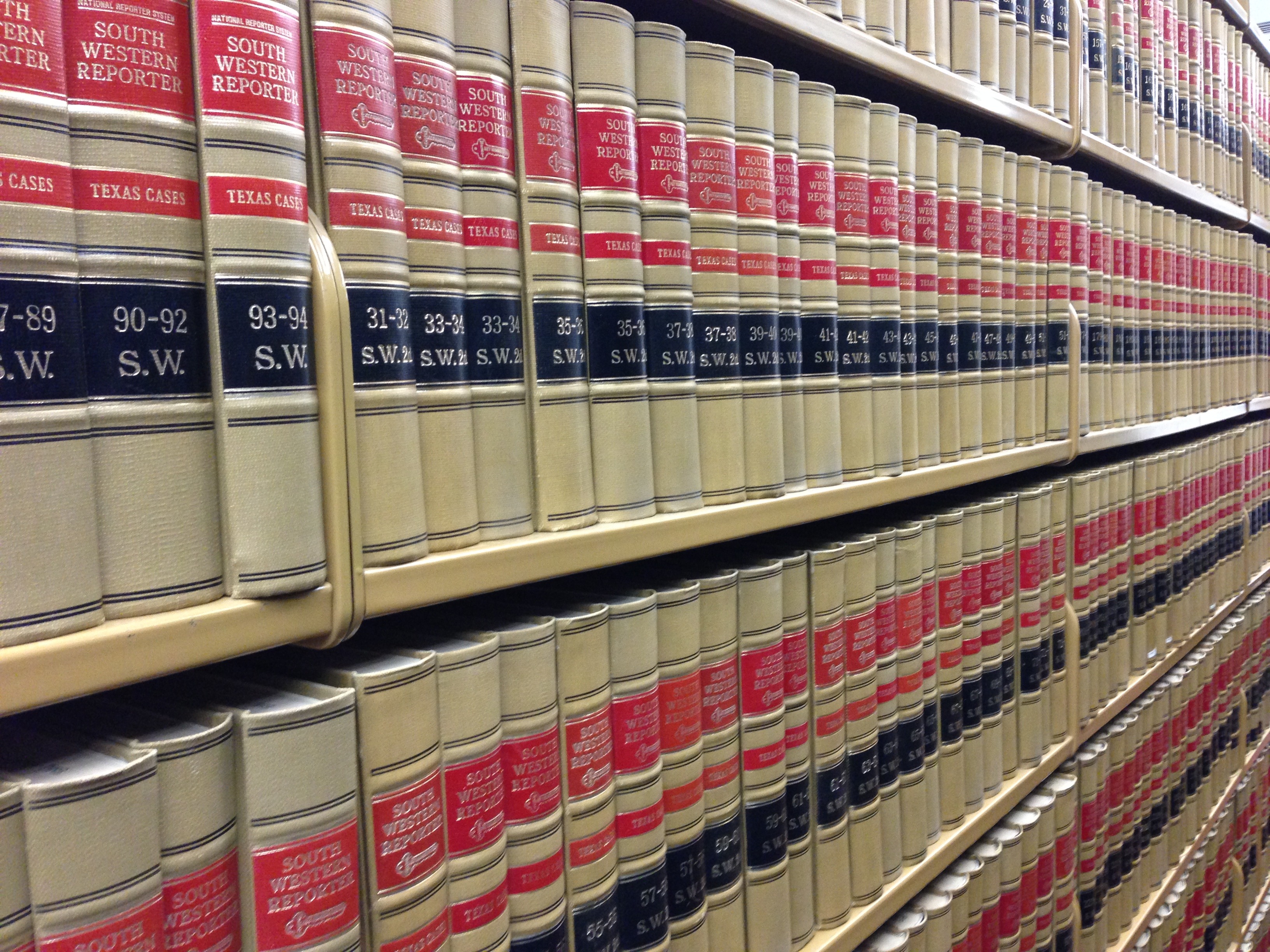
Discuss Barrington Hills commercial property purchases, sales and leases with Zara Law Group, including permitted use, diligence and lease obligations.
Discuss a Barrington Hills Commercial Real Estate Matter
Speak with Zara Law Group about your circumstances, relevant documentation, and available legal options.
A commercial real estate decision should begin with whether the property can support the planned business, not simply whether the price or rent is attractive. Zara Law Group assists clients with commercial property purchase agreements, sales, leases and transaction-related legal questions involving Barrington Hills property.
The label “commercial opportunity” does not establish that a particular activity is permitted. A buyer acquiring an investment, an owner negotiating a lease and a business considering property for its operations each need a different review. We examine the proposed use, ownership structure and agreement before recommending the documents and diligence the transaction calls for.
Confirm the intended use before committing to the property
Barrington Hills has its own zoning framework. Its residential-district permitted-use provisions tie uses to zoning districts and applicable conditions. Do not rely on rules for the separate Village of Barrington, a marketing description or another property's apparent operation when evaluating a Barrington Hills parcel.
Start by describing the activity accurately: who will occupy the space, whether customers will visit, what equipment or storage is needed and whether the property will be altered. Those facts help identify questions for the appropriate municipal officials and technical advisers. The purchase contract or lease should reflect the importance of obtaining a satisfactory answer while the client still has meaningful contractual options.
A business conducted from a residence is a particularly important distinction. Barrington Hills regulates home occupations as uses incidental to residential occupancy, subject to limitations in its specific-use provisions. A home office is not a blanket authorization for customer-facing activity, outside storage or an expanded operation. Proposed activities require a fact-specific review rather than a generic assurance that business use is allowed.
Purchase agreements that preserve useful due diligence
A commercial buyer needs an agreement that explains what can be investigated, when access is available and how objections or termination rights must be exercised. The diligence period should be considered alongside the time needed for lender review, title materials, surveys, inspection reports and any approval questions. A period that expires before essential information arrives may provide little practical protection.
We review the deposit structure, conditions, seller deliveries, representations and remedies with the business objective in mind. If a buyer is relying on documents the seller has not yet provided, the agreement should address that dependency. If the property is occupied, the transaction should also identify which leases, deposits and ongoing obligations are being transferred.
Sellers need a workable process too. Inspection access, notice requirements, confidentiality and responsibility for damage during testing should not remain undefined. Representations should be reviewed carefully rather than copied from an unrelated deal. A seller should understand what is being promised, the scope of any knowledge qualification and whether an obligation continues after closing.
Title, survey, access and physical-property investigations
Recorded easements and restrictions can affect access, parking, expansion or other aspects of the buyer's plan. The title commitment and survey should be reviewed together, rather than as separate formalities. A practical route to a building may not answer the legal question of whether the intended access is adequately documented.
Physical condition, environmental concerns and capacity for the proposed operation require qualified professionals. Counsel can help structure access and contractual consequences, but does not replace an engineer, environmental consultant or other specialist. The needed diligence varies with the parcel's history, improvements and intended use; the same inspection package is not suitable for every acquisition.
If improvements are planned, identify the permit and approval process before allocating a budget on the assumption that construction can begin immediately. The Village Building Department is a starting point for local requirements. Confirm the actual jurisdiction and proposed work, and distinguish a preliminary conversation from a completed approval.
Commercial leases: understand the full obligation
A lease should be evaluated as a continuing allocation of risk, not just a monthly rent figure. Review the space being delivered, permitted use, operating expenses, maintenance duties, insurance, access and the duration of the commitment. A tenant needs to understand which costs can change and what information supports charges passed through by the landlord.
Repairs deserve particular attention. Responsibility for systems, structural components and pre-existing conditions should be clear enough to avoid an argument after a failure occurs. The parties should also consider interruptions to access or use, casualty provisions and the circumstances in which an obligation may be suspended or the lease ended. The appropriate arrangement depends on the property and bargaining position, not a universal lease standard.
For an owner, a well-defined lease supports management of the property and helps communicate expectations from the beginning. For a tenant, review should test whether the operational plan remains workable if costs increase, approvals are delayed or the business needs to change direction.
Buildout, delivery and opening-date risk
If either party will perform improvements, document the scope, approval process, responsibility for overruns and completion standard. A landlord's statement that space will be “ready” can mean something very different from the tenant's understanding. Plans, work letters and lease provisions should describe who supplies the work and what happens if it is late.
Rent commencement, possession and business opening may occur on different dates. A tenant should understand whether payments begin before the intended operation can lawfully or practically start. An owner should understand any conditions tied to delivery and what evidence confirms completion. Addressing those points before signing is usually more useful than debating them after materials are ordered.
Guaranties, assignment and future changes
A personal guaranty can create obligations beyond the entity signing the lease. Review who guarantees performance, what obligations are covered and whether any limits or release conditions are actually written into the document. Do not assume that operating through a company eliminates exposure under a separate guaranty.
The agreement should also be considered against foreseeable changes: selling the business, bringing in a new owner, assigning the lease or subletting space. Consent requirements and continuing liability can affect the client's exit options. A provision that appears unimportant at signing may become central when the business restructures or the owner wants to sell the property.
Investment properties and occupied-property sales
When income from existing occupants is part of the bargain, examine the actual leases and related records rather than relying solely on a summary. Relevant questions can include amendments, options, deposits, defaults, concessions and outstanding landlord obligations. Where appropriate to the transaction, requested confirmations should be considered early enough to resolve discrepancies.
The closing documents should identify assignments and the obligations each party retains or assumes. Coordination with financing and title requirements is important, but those parties' reviews do not replace the client's own assessment of business risk. Our Barrington Hills closing and settlement services address the final transfer stage.
Prepare for a focused commercial real estate consultation
Provide the draft or signed agreement, relevant leases, property information and a clear description of the proposed activity. Identify deadlines, financing assumptions and any approvals already discussed. If the deal involves an entity, explain who will own the property, who will operate the business and who is expected to sign or guarantee the obligations.
Schedule a free consultation with Zara Law Group to discuss a Barrington Hills commercial property purchase, sale or lease. We can help identify the legal questions that should be resolved before commitment and organize the transaction around the risks that matter to your intended use.
Illinois Real Estate Law
Proud to Support Illinois Real Estate Law.
Zara Law Group is a 2026 Attorney Sponsor and Member
of the Illinois Real Estate Lawyers Association.
Free Legal Consultations in Barrington Hills
Call, email or fill out the form below to schedule a free legal consultation with our experienced attorneys in Illinois.
Thank you! Your submission has been received and we will be reaching out regarding your legal matter soon.
Please provide the information requested in the fields denoted with an asterisk.
Real Estate · Business · Personal Injury · Traffic & Criminal
Legal Guidance Without the Guesswork.
Whether you are navigating a transaction, protecting a business,
recovering after an injury or facing an urgent legal matter,
Zara Law Group provides clear guidance on what comes next.
01
Responsive Communication
Understand where your matter stands, what requires
attention and what happens next.
02
Practical Legal Strategy
Advice focused on the transaction, dispute or legal
objective in front of you.
03
Northern Illinois Counsel
Offices in Woodridge, Naperville and Skokie serving
clients throughout Northern Illinois.
Dedicated Lawyers & Affordable Legal Services in Barrington Hills
Free Legal Consultations in Barrington Hills
Legal questions in Barrington Hills, Illinois, can involve business contracts, property transactions, family relationships, criminal defense, or injuries caused by another party. Zara Law Group provides guidance grounded in the facts and applicable law. Our attorneys can review documents, explain potential approaches, and help clients understand the next steps for their legal matter.
Experienced Barrington Hills Attorneys & Professional Legal Services
Businesses and individuals in Barrington Hills may need help reviewing contracts, addressing real estate issues, navigating family law questions, or evaluating personal injury claims. Zara Law Group considers the details of each matter and provides practical legal guidance tailored to the circumstances. Contact our team to discuss your situation.
Barrington Hills Real Estate Attorneys
Our Barrington Hills lawyers defend your personal & professional legal interests to enable you to reach favorable terms in your contracts and your corporate agreements, contracts and real estate investments in Barrington Hills.
Real Estate Legal Services in Barrington Hills
Legal questions in Barrington Hills, Illinois, can involve business contracts, property transactions, family relationships, criminal defense, or injuries caused by another party. Zara Law Group provides guidance grounded in the facts and applicable law. Our attorneys can review documents, explain potential approaches, and help clients understand the next steps for their legal matter.
Client Experience
215 Five-Star Reviews.
One Standard of Service.
Clients turn to Zara Law Group for important transactions,
difficult legal matters and decisions with lasting consequences.
Their experiences reflect the responsive communication,
practical guidance and personal attention our attorneys
bring to every representation.
★★★★★
215 Five-Star Client Testimonials
Across Our Review Collection
Google · Avvo · Yelp · Facebook
★★★★★
Client Experience · Real Estate
“We worked directly with Zohaib and his team in the
closing process as first-time homebuyers. Zohaib and
his team were a pleasure to work with and made
themselves available whenever we needed their help
and expertise.”
Zoe LanghansGoogle Review
★★★★★
“Absolutely outstanding service! Zohaib is professional,
responsive, and dedicated to their clients.”
Pratik Patel
Google Review
★★★★★
“They are very patient in dealing with customers
and calm and focused in handling matters.”
Abhilash Paramkusham
Google Review
★★★★★
“Best attorney hands down!!”
A R.M.
Google Review
★★★★★
“I can not thank them enough. They helped me get
out of a possible huge fine along with keeping my
driver's license.”
David Pope
Google Review
★★★★★
Five-Star Review
“They are organized, fast, and amazing communicators.
Everything myself and my clients value.”
Greg Caron
Client Review
Illinois Communities We Serve
Legal Counsel Across
Northern Illinois.
From offices in Woodridge, Naperville and Skokie,
Zara Law Group serves individuals, property owners,
investors and businesses across communities throughout
Chicagoland and Northern Illinois.
Community Legal Services
Select a community
Don't see your community?
Zara Law Group serves clients throughout Northern Illinois.
Contact our attorneys to discuss your legal matter and
determine how the firm may be able to assist.
Practical perspectives from Zara Law Group on Illinois
real estate, business, personal injury and legal issues
affecting individuals, property owners, investors and
businesses.